
2026-09-14 ·
Cost Factors for Mold Remediation in Springville Homes
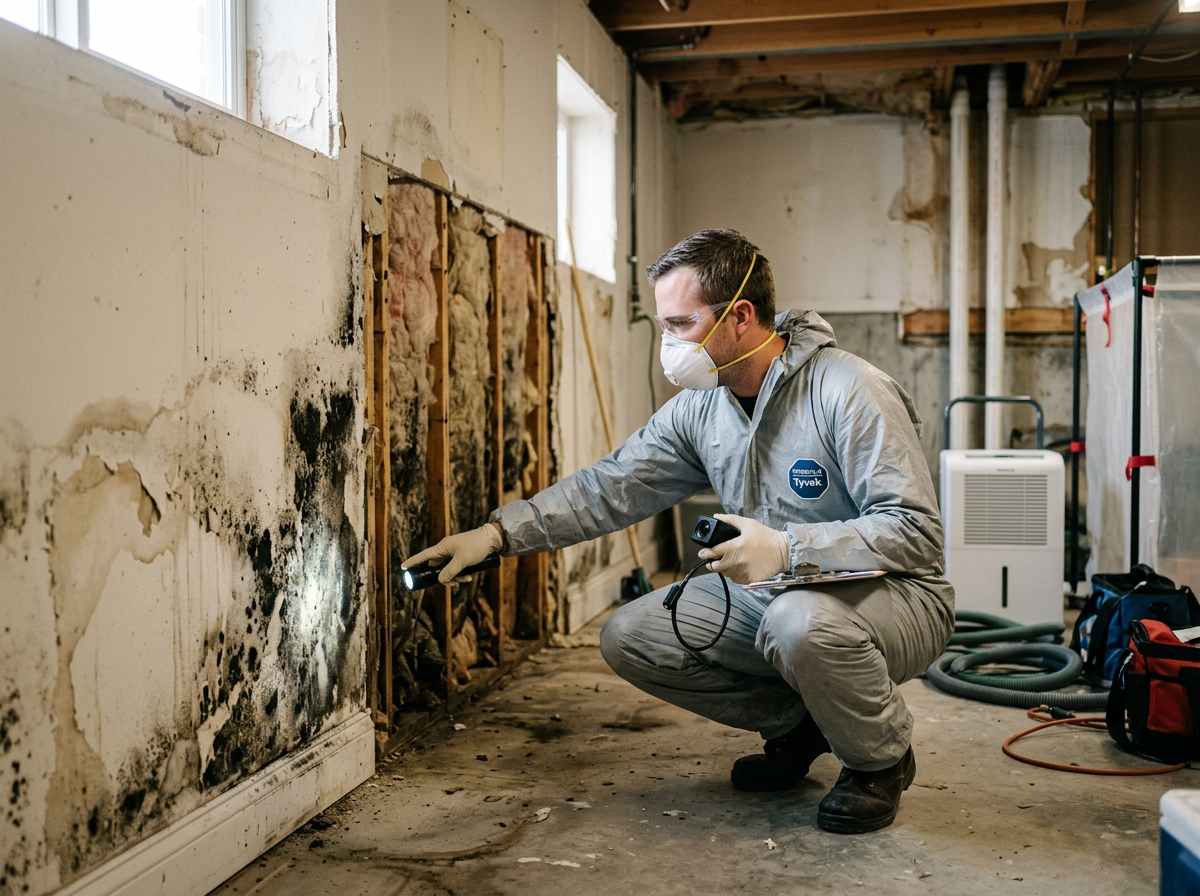
Several practical factors determine mold remediation costs in Springville homes, beginning with the type of water intrusion, the square footage involved, and the difficulty of reaching growth in finished basements or tight attics common to local construction.
Moisture Source Identification
In Utah's arid climate, mold almost always traces back to a mechanical failure rather than ambient humidity. Burst supply lines, frozen pipes that split when temperatures fall below 32°F, leaking water heater hoses, and undrained swamp coolers left running through summer introduce sudden moisture. Ice dams along roof edges and roof leaks around flashing also feed water into attics and wall cavities. Finished basements built on slab foundations can conceal slow leaks for months until black staining appears on baseboards. Winter over-humidification from tight building envelopes causes condensation on cold exterior walls when indoor humidity exceeds 45 percent. Identifying the exact source before any cleaning begins prevents repeated growth; crews typically spend the first hours tracing moisture with meters rather than removing visible mold. Linking the remediation plan to a thorough inspection of plumbing and roofing details keeps the project focused on the root cause instead of surface symptoms.
Size and Location of Affected Materials
The square footage of contaminated drywall, insulation, or subfloor directly scales labor and disposal needs. Small patches behind a bathroom vanity may require only targeted removal, while growth spanning an entire finished basement wall demands full containment barriers and negative air machines. Springville homes often feature slab-on-grade construction with carpet or laminate over concrete, so hidden moisture under flooring extends the scope. Attic spaces with blown-in insulation trap spores against roof sheathing, and accessing these areas through narrow pull-down stairs adds time. When mold reaches HVAC returns or ductwork, additional sections must be isolated and cleaned or replaced. Each extra layer of material—such as multiple coats of paint over prior water stains—requires more thorough demolition before treatment. Accurate mapping of these zones during the initial walkthrough prevents scope creep once work starts.
Access and Containment Requirements
Reaching mold behind cabinets, under stairs, or inside exterior walls often requires cutting access panels or removing sections of trim. In Springville homes with finished basements, crews may need to lift sections of flooring or open wall cavities without disturbing adjacent living spaces. Proper containment uses plastic sheeting sealed at seams and negative air pressure to keep spores from migrating into clean areas. When growth occurs near electrical panels or plumbing chases, extra steps protect wiring and pipes during demolition. Limited crawl space access under some homes forces technicians to work in confined areas wearing full PPE, extending project duration. These physical constraints, rather than the mold itself, frequently account for the largest portion of on-site time. Detailed planning around existing home layouts reduces surprises once barriers are erected.
Post-Remediation Steps and Prevention
After removal, verification includes moisture readings below 15 percent and visual inspection of all opened cavities before new materials are installed. Homeowners can reduce future risk by insulating pipes to at least R-4 where they run through unheated spaces and ensuring swamp coolers are drained and covered each fall. Maintaining indoor relative humidity between 35 and 45 percent during winter inversions limits condensation on exterior walls. Addressing roof leaks promptly after summer storms and checking appliance hoses every two years prevents the water events that trigger most local mold cases. For readers dealing with repeated moisture issues, reviewing related guidance on foundation moisture helps connect seasonal patterns to specific home maintenance tasks. When growth appears in ventilation systems or crawl spaces, targeted follow-up services address those unique conditions without repeating full-home remediation.
Connecting Remediation to Ongoing Moisture Control
Mold remediation succeeds only when paired with lasting moisture corrections. Springville residents often combine initial cleanup with upgrades such as improved attic ventilation or French drains around the foundation perimeter. These steps address the same mechanical failures—frozen lines, leaking hoses, and poor drainage—that initiate growth in the first place. Property owners exploring related services can review options for water damage and moisture control to prevent recurrence after the visible mold is gone. Scheduling periodic checks of supply lines and swamp cooler drains each spring and fall catches small issues before they saturate insulation or subfloors. This integrated approach keeps remediation focused on the affected area while reducing the chance of new colonies forming in adjacent spaces.