
2026-09-14 ·
Mold Remediation Steps for Rental Properties in Utah County
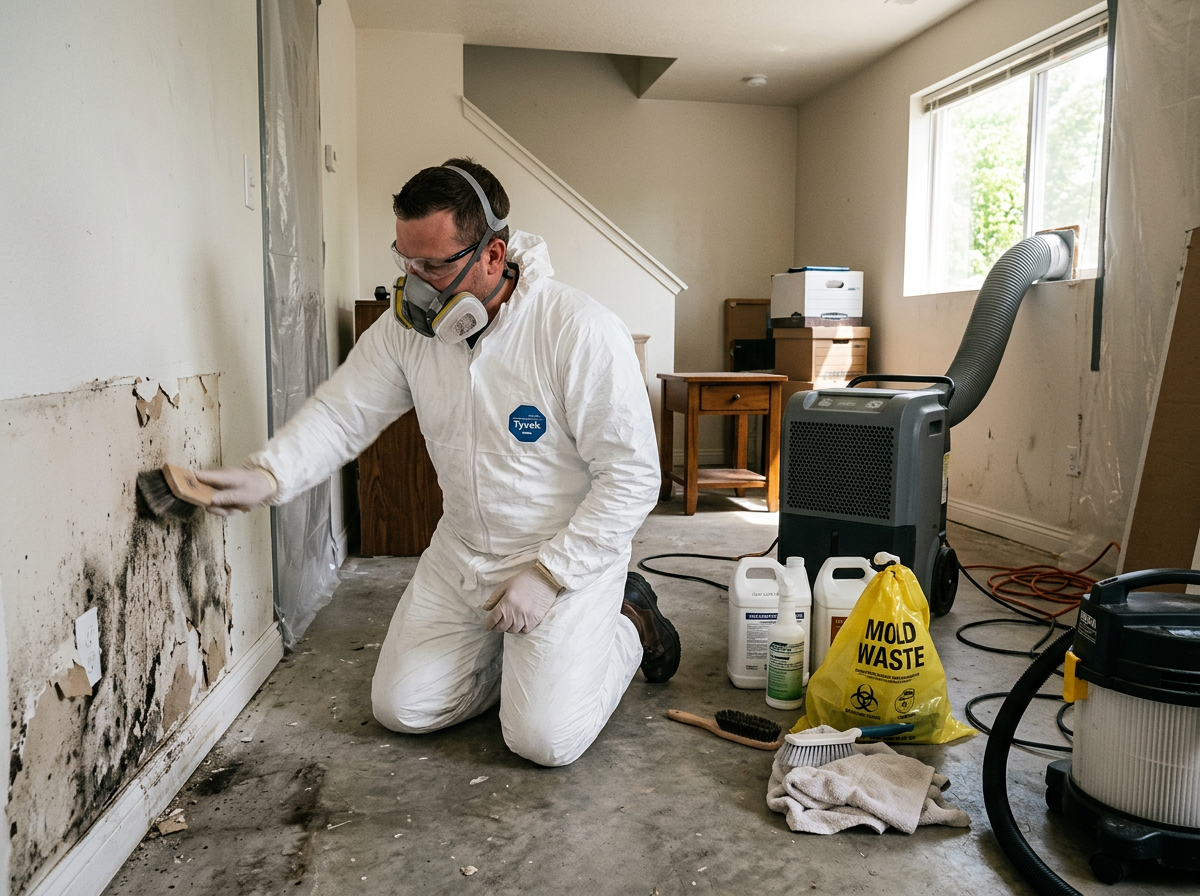
Mold remediation in Utah County rental properties begins with locating and stopping the moisture source within 24-48 hours of a water event, followed by containment, removal of affected materials, thorough drying, and measures to prevent recurrence. This sequence keeps the process contained to the affected unit while minimizing disruption for tenants.
Identifying Common Utah Moisture Sources
In Utah's arid climate, mold growth in rentals usually traces to mechanical failures rather than ambient humidity. Burst supply lines, frozen pipes at 32°F, leaking water heaters, and appliance hoses introduce sudden water loads. Ice dams on roofs and undrained swamp coolers add seasonal moisture that penetrates finished basements on slab foundations. Tight building envelopes combined with winter inversion trap condensation on exterior walls. Landlords should inspect these locations first during tenant complaints of musty smells. Documenting the exact failure point helps coordinate repairs before any cleaning begins. Water damage and moisture control often pairs directly with this assessment phase.
Initial Assessment and Containment
Once the source is confirmed, isolate the area with plastic sheeting and negative air pressure to prevent spores from migrating to other units. Remove standing water immediately and record all affected surfaces with photos for property records. In rental settings, notify tenants of access needs and temporary relocation if the space exceeds safe occupancy. Avoid disturbing dry materials until moisture readings drop below 15 percent. This step protects adjacent living areas common in Utah County multi-family buildings and keeps the remediation focused on the original leak path.
Removal Procedures for Affected Materials
Porous materials such as drywall, carpet padding, and insulation that remain wet past 48 hours require full removal rather than surface cleaning. Cut out sections at least 18 inches beyond visible growth and bag debris for disposal. Non-porous surfaces like tile or metal can be cleaned with detergent solutions and HEPA vacuuming. For drywall issues after pipe leaks, follow targeted removal methods outlined in related guidance on removing mold from drywall after pipe leaks in Utah County. Always work from the cleanest area outward to limit cross-contamination.
Drying, Verification, and Tenant Coordination
Deploy commercial dehumidifiers and air movers until moisture meters read consistently below 12 percent on wood and 50-55 percent relative humidity in the space. Run equipment for several days with daily readings logged for the property file. After drying, inspect hidden cavities in finished basements where slab leaks often hide. Schedule a follow-up visit with tenants to confirm odors have cleared and no new growth appears. This verification step closes the remediation loop and supports ongoing rental habitability standards.
Long-Term Prevention in Rental Units
Install pipe insulation with at least R-3 rating on supply lines in unconditioned spaces and ensure swamp coolers are drained each fall. Add ventilation fans in bathrooms and kitchens that vent directly outside. Encourage tenants to report slow drains or damp spots within 24 hours. Address musty odors in finished basements after flooding by improving grading and adding vapor barriers where needed, as detailed in guidance on addressing musty odors in finished basements after flooding. Regular source correction prevents repeat remediation calls across Utah County rentals.