
2026-09-14 ·
Reducing Humidity in Springville Homes During Monsoon Season
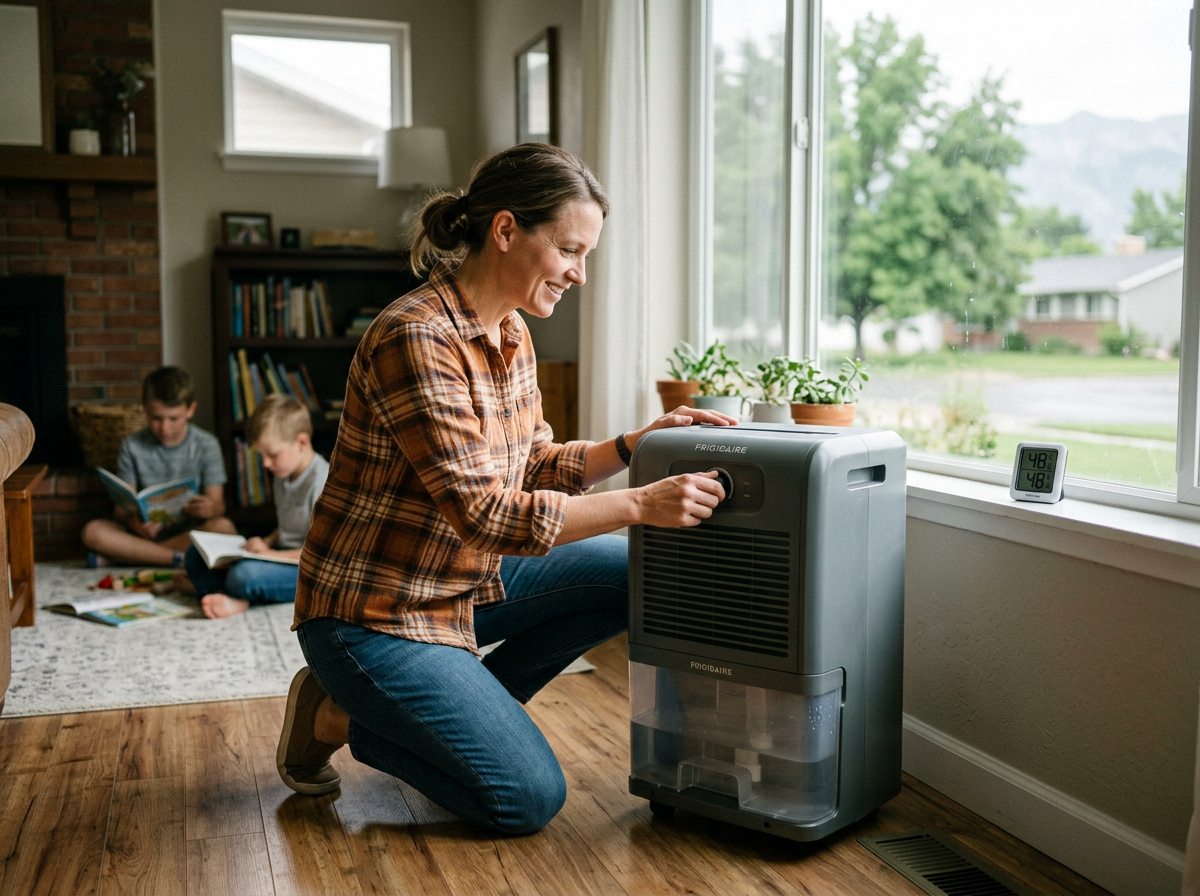
Maintaining indoor relative humidity between 40% and 50% prevents excess moisture buildup in Springville homes during monsoon season. Run a whole-home or portable dehumidifier sized for your square footage whenever outdoor dew points climb above 55°F, which occurs regularly from late July through early September. Pair the unit with exhaust fans in bathrooms and kitchens that vent directly outside rather than into attics or crawl spaces. Check readings twice daily with a digital hygrometer placed away from windows and doors.
Understanding Monsoon Moisture Patterns in Springville
Utah's monsoon flow draws tropical moisture northward, producing afternoon thunderstorms that raise outdoor humidity for several days at a time. Springville's location near the Wasatch Front means these events often coincide with temperature drops that push warm, moist air against cooler exterior walls and slabs. Finished basements on concrete slabs trap this moisture because soil temperatures stay lower than indoor air. Without active removal, relative humidity inside can climb from 35% to over 65% within 12 hours after a storm passes. Tight building envelopes common in newer Springville construction limit natural drying, so mechanical dehumidification becomes necessary rather than optional.
Monitoring Humidity and Spotting Problem Areas
Place digital hygrometers in the basement, main living areas, and any room with a swamp cooler. Record daily highs and lows for two weeks during peak monsoon months to identify patterns. Condensation on north-facing windows or cold water pipes signals humidity above 55%. Check areas behind appliances and along exterior walls where winter inversion layers once caused similar issues. If readings stay elevated for more than four hours after a storm, increase dehumidifier runtime or add a second unit rather than relying on air conditioning alone, which often cannot keep pace with added moisture.
Ventilation and Dehumidification Tactics
Run bathroom exhaust fans for 20 minutes after showers and use kitchen range hoods during cooking to expel humid air before it spreads. In homes with swamp coolers, drain the unit completely at the end of each day and cover the pads when storms are forecast. Set dehumidifiers to 45% and empty collection tanks daily or connect them to a condensate pump that routes water to a floor drain. Insulate supply lines in crawl spaces and basements with R-4 foam sleeves to reduce surface condensation during humid periods. These steps address the mechanical sources that commonly lead to hidden moisture in Springville construction.
Addressing Persistent Moisture Sources
Inspect roof penetrations, window flashing, and appliance hoses after each monsoon event for small leaks that continue feeding humidity. Swamp coolers left undrained or with cracked pans often drip into attics or wall cavities for days. Finished basements on slab foundations hide slow seepage along the perimeter that only becomes visible after humidity stays high. For ongoing problems after these steps, review water damage and moisture control options that focus on source correction rather than repeated drying cycles. Readers facing repeated issues can also examine cost factors for mold remediation in Springville homes to understand long-term implications of unresolved moisture.
Seasonal Maintenance Checklist
Before monsoon season arrives, clean or replace swamp cooler pads and verify drain lines slope properly. After the season ends, inspect attic insulation for damp spots and confirm dehumidifier coils are clean. Keep records of humidity readings and any repairs so patterns become clear over multiple years. These records help prioritize future upgrades such as additional insulation on exterior walls or improved attic ventilation that better match Springville's climate cycles.